Government unveils new care plans to cut hospital admissions
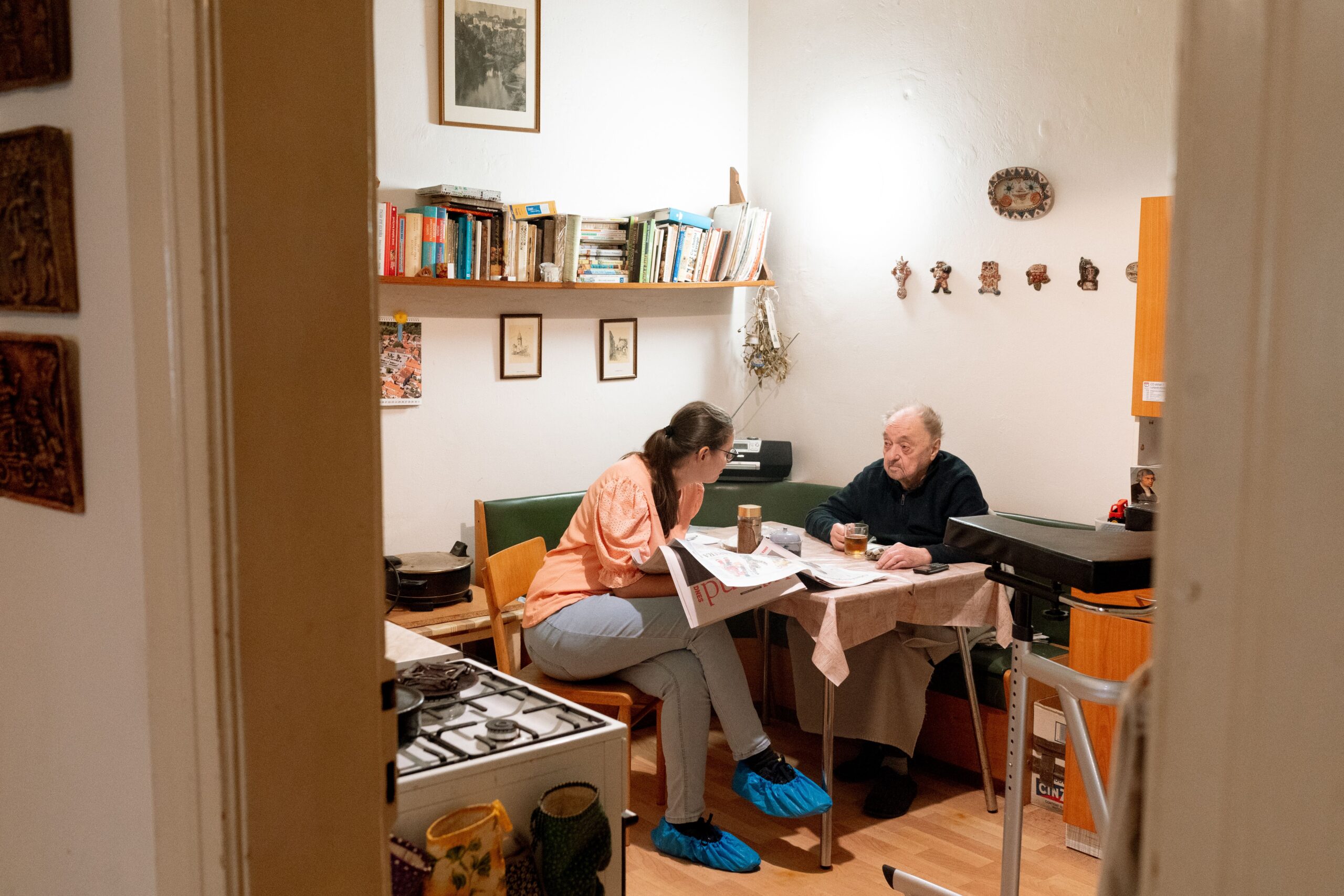
New neighbourhood support teams will provide personalised care for vulnerable patients, with ministers predicting the programme could prevent millions of hospital bed days.
Nearly two million of England’s most vulnerable patients could receive personalised support through new neighbourhood care teams under plans announced by Health and Social Care Secretary Yvette Cooper.
The new neighbourhood support teams will bring together professionals from primary care, community health services, mental health services, social care and the voluntary sector.
They will provide more coordinated support for people at greatest risk of hospital admission.
The government said the initiative could help reduce emergency hospital bed days by around 4.3 million annually while generating net savings of more than £1 billion per year through fewer avoidable admissions and shorter hospital stays.
Around the clock access
Under the plans, the NHS will proactively identify people with complex health and care needs.
This includes frail older people, care home residents, people living with dementia and those approaching the end of life.
Individuals enrolled on the programme will receive a tailored care plan, regular reviews and support from a dedicated neighbourhood team working alongside their GP.
Patients and their families will also be able to access a single point of contact available around the clock.
Announcing the plans at the King’s Fund annual conference, Cooper described the initiative as a step towards a future national care service.
“Today we are setting a national ambition that, by the end of the decade, people with the greatest health and care needs will no longer have to fight their way through the system to get the support they need,” she said.
“Starting now we will bring together health and social care in the community, looking after those who need most support in a radically different way.”
The Health and Social Care Secretary added that the reforms would shift responsibility away from patients navigating fragmented services and towards coordinated teams taking ownership of care delivery.
Reducing demand on acute services
The government aims for more than 500,000 people, around one per cent of England’s population, to receive dedicated support by April 2027.
The programme will expand in subsequent years.
According to the Department of Health and Social Care, around three to five per cent of the population currently accounts for approximately 70 per cent of emergency hospital bed days.
Ministers believe earlier intervention and better coordination could significantly reduce demand on acute services.
Dr Emma Rowland, NHS Interim Executive Director for Performance and Delivery, said the model would help patients receive support closer to home while easing pressure on hospitals.
“We want to be there for the most vulnerable patients and their families around the clock, offering them the support they need to avoid unnecessary and stressful trips to A&E and stays in hospital.”
Supports wider reforms
The neighbourhood support teams will form a central part of the government’s forthcoming strategy for urgent, emergency and planned care.
The approach is also intended to support wider reforms aimed at reducing corridor care and improving hospital discharge.
Integrated care boards (ICBs) will remain responsible for commissioning local community support and ensuring services align with social care provision in their areas.
The announcement received backing from a number of health and care organisations, including the British Geriatrics Society, National Voices, NHS Alliance and Carers UK, which welcomed the focus on prevention, coordinated care and support closer to home.
Featured image credit: Jsme MILA on Pexels