HSSIB warns gaps in community insulin support are putting people with learning disabilities at risk
People with learning disabilities have suffered serious harm because healthcare services do not consistently provide the support needed to manage insulin safely, according to a new HSSIB investigation. The safety body has called for further research and set out questions for NHS providers and integrated care boards on reasonable adjustments, specialist support and access to diabetes technology.
The Health Services Safety Investigations Body (HSSIB) has identified gaps across community healthcare that can leave people with learning disabilities at risk when managing diabetes with insulin.
Its investigation found cases where insulin was omitted, administered at the wrong time or given at the wrong dose. Reported incidents included deaths from diabetic ketoacidosis and a patient who suffered a brain injury following severe hypoglycaemia.
Published today (13 August), Insulin: supporting safe self-administration for patients in the community with a learning disability, is the third in an HSSIB series examining insulin self-administration among patients who may require additional support in community settings.
HSSIB concluded that the problem extends beyond individual mistakes. Its findings point to weaknesses in identifying learning disabilities, making reasonable adjustments, providing specialist advice, applying mental capacity legislation and ensuring equitable access to diabetes technology.
Failures to identify and adapt care
A recurring problem was inaccurate or missing recording of learning disabilities in health records. HSSIB found that patients may be recorded as having a learning difficulty rather than a learning disability, or have no coded diagnosis despite having one. This can exclude patients from learning disability registers, annual health reviews and other monitoring. It can also prevent information about their support needs following them between services.
The investigation also found inconsistent provision of reasonable adjustments, despite the legal duty on public services to anticipate the needs of people with disabilities.
The NHS reasonable adjustment digital flag is intended to make these requirements visible across care settings. However, HSSIB heard that poor data quality and delays integrating electronic systems mean the flag is not yet being used reliably across services.
For ICBs and providers, this places data quality and information transfer alongside clinical practice as patient safety issues. HSSIB’s local learning asks organisations to examine whether they can reliably identify patients with learning disabilities and communicate required adjustments during handovers.
Specialist support remains difficult to access
HSSIB also identified limited access to specialist learning disability expertise. Non-specialist healthcare staff described difficulties obtaining advice about supporting people with learning disabilities who also have long-term conditions. The investigation found limited routes for accessing specialist input and a lack of clearly defined pathways when a patient’s health deteriorates.
This sits against wider workforce pressure. HSSIB notes a recognised national shortage of specialist learning disability nurses, alongside workforce challenges affecting community nursing and allied health professions.
The report does not establish how much additional specialist capacity is required. However, it asks local organisations to consider whether staff can access learning disability expertise when adapting diabetes and insulin care.
HSSIB also found that healthcare staff do not always receive sufficient practical support to apply the Mental Capacity Act 2005. Problems included inconsistent assessment and recording when questions arose about a person’s ability to make decisions around insulin management.
Support can enable greater independence
The investigation cautions against assuming that a learning disability prevents someone from managing their own insulin.
HSSIB heard examples of staff making assumptions that patients could not self-administer because of their disability. It also found cases where services failed to recognise that someone needed additional support to develop or maintain the required skills.
One case examined in detail involved Ms H, who has type 2 diabetes, a learning disability and cannot read or write. She wanted to administer her insulin herself rather than wait for visiting nurses.
With support from residential care staff and a practice nurse, Ms H spent approximately 15 months developing the skills needed to self-administer under supervision. This gave her greater independence, including allowing her to travel with family.
Her case also exposed the risks involved. Following a change of insulin pen, neither Ms H nor supervising staff realised for an extended period that a needle cap remained attached when she attempted injections. The error was discovered after a practice nurse investigated persistently high blood glucose readings.
The example illustrates the report’s wider finding: safe self-management can be possible, but depends on accessible education, continuity of oversight and adjustments tailored to the individual.
Technology risks widening existing inequalities
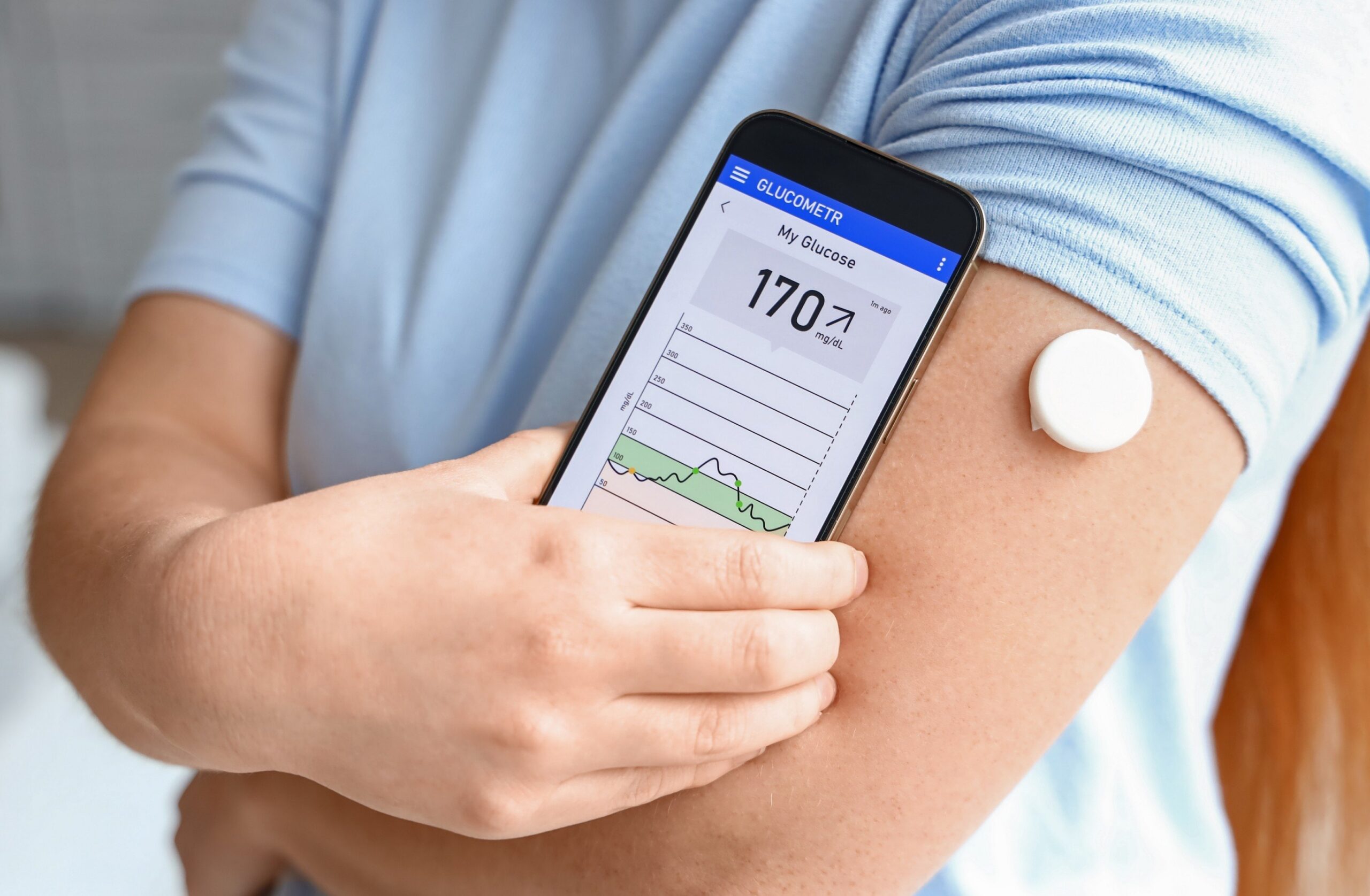
HSSIB raises separate concerns about access to continuous glucose monitors, insulin pumps and hybrid closed loop systems. The investigation heard that people with learning disabilities can miss out because services assume modern diabetes technologies will be too difficult for them to use. National education programmes may also not accommodate differing literacy or numeracy needs.
Other services had successfully supported people with learning disabilities to use the same technologies where adjusted training, social support and specialist input were available.
NHS England’s five-year implementation strategy for hybrid closed loop technology seeks equitable access. However, HSSIB reports that its roll-out was already exacerbating inequalities for some people with learning disabilities. No national data was available showing their uptake of diabetes technology, while a planned evaluation of regional equity has not yet reported.
The investigation therefore identifies a gap between national policy on access and the evidence available to show whether patients with learning disabilities are benefiting equally.
NIHR asked to address evidence gaps
HSSIB has issued one new national safety recommendation. It has asked the National Institute for Health and Care Research (NIHR), working with research and policy partners, to assess and support research addressing gaps in knowledge about services, devices and technologies needed for safe insulin self-management among people with learning disabilities. The research, HSSIB said, should be co-developed with people with learning disabilities.
The recommendation reflects a wider limitation identified by the investigation: there is little evidence establishing how services should adapt insulin support to different needs or how diabetes technologies can be used safely and effectively within this population.
HSSIB also warns that the scale of harm may be difficult to establish because community insulin incidents appear to be underreported. It found fewer reports in national patient safety databases than expected from the experiences described by patients, families and staff.
For ICBs and providers, the immediate implications extend beyond waiting for further research. HSSIB’s learning prompts ask systems to review coding, reasonable adjustments, specialist advice, staff competence around mental capacity, technology access and incident reporting.
Taken together, the findings suggest that safe insulin self-management depends not simply on whether an individual can administer medication, but on whether local health and care services can identify, adapt to and continuously support that individual’s needs.