Government confirms timeline for DHSC-NHSE merger
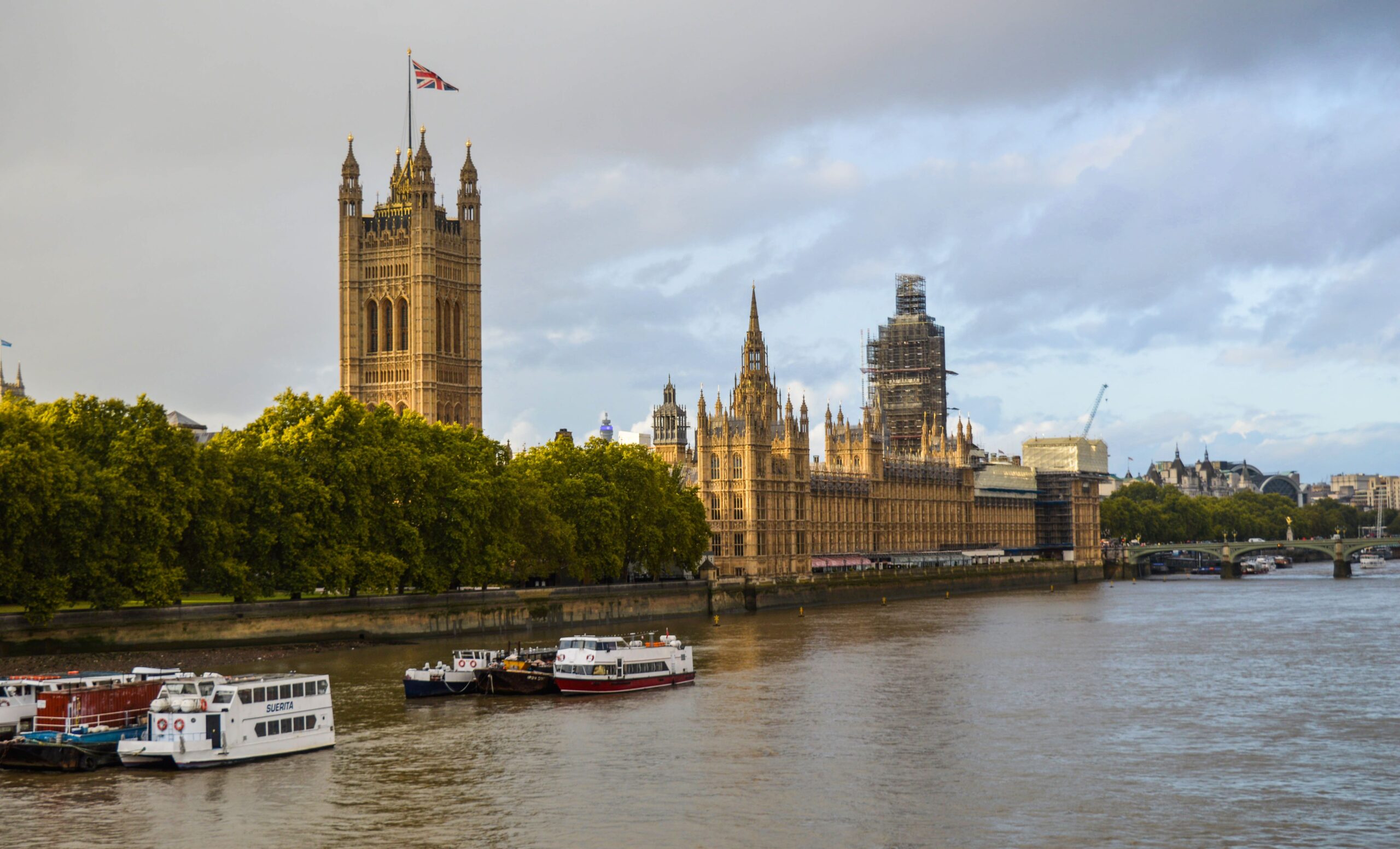
The government has confirmed plans to bring NHS England back into the Department of Health and Social Care in April 2027.
NHS England will be brought back into the Department of Health and Social Care (DHSC) from April 2027.
In a parliamentary statement made on 4 November, Health and Social Care Secretary Yvette Cooper confirmed that NHS England will merge with the Department.
This is subject to the passage of the Health Bill, which will end the current model of separate national organisations.
The government said the changes are intended to reduce duplication between NHS England and DHSC while supporting delivery of the ambitions set out in the 10-Year Health Plan.
Joint teams to be formed
Announcing the reforms, Cooper said the current structure could not continue with “two parallel national organisations carrying out so many overlapping and uncoordinated functions”.
Under the new arrangements, the majority of NHS England’s national delivery functions will transfer into a new NHS Group within DHSC.
The government said the NHS Chief Executive role will be retained.
The new merger group will be responsible for NHS operational delivery alongside the Department’s wider responsibilities for policy, social care and public health.
Ministers also plan to bring together expertise from both organisations into joint teams, combining policy and operational leadership.
Regional teams to support transition
The statement highlighted neighbourhood health as an example of where closer alignment could support delivery.
Alongside the national restructuring, the government pledged to continue devolving responsibility to local organisations and communities.
It said work would continue on strengthening alignment between NHS organisations, social care services, mayoral strategic authorities and local councils.
NHS regional teams will remain in place during the transition and will not move into DHSC in April 2027.
Instead, ministers will establish a temporary Special Health Authority to oversee the seven regional teams and support the move towards a more devolved system.
The Special Health Authority will be accountable to the Health and Social Care Secretary through the NHS Group but will not exercise national functions.
The government said its purpose is to maintain regional support for frontline organisations during the transition and avoid excessive centralisation.
Prioritising patient and clinical input
Ministers confirmed that Healthwatch will be retained and expanded, while a new Patient Experience Director will be appointed to help ensure patient concerns inform service improvement.
This month, former National Voices Chief Executive Jacob Lant was appointed NHS England’s National Director for Patient Experience.
The government will also establish a Clinical Council.
It will bring together senior clinicians to advise ministers on major clinical priorities and strengthen clinical leadership across the health and care system.
Cooper said the reforms were intended to improve services for patients.
“These reforms must help us get back to what the NHS does best: caring for people when they need it most.”
Implications for integrated care
The announcement signals that integrated care will be a central objective of the government’s NHS reforms.
The government plans to bring NHS England into DHSC while retaining regional support and emphasising neighbourhood health.
They appear to be seeking a model that combines national coordination with greater local flexibility.
The focus on aligning NHS organisations with social care, local government and mayoral authorities could further strengthen place-based working and support the delivery of integrated neighbourhood services outlined in the 10-Year Health Plan.
Featured image credit: Gotta Be Worth It on Pexels