Cancer charity report calls for risk-based breast cancer screening for under-50s
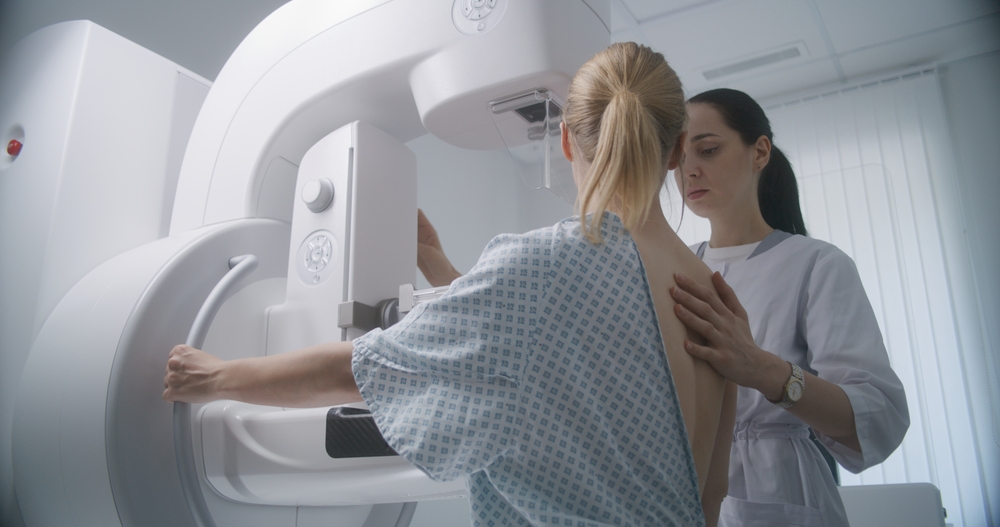
A new report from the youth breast cancer charity CoppaFeel! finds nearly one in three people diagnosed said they were dismissed as “too young” by a healthcare professional, and calls for risk-based screening ahead of a parliamentary debate on lowering the screening age.
Thousands of young people are diagnosed with breast cancer each year after being dismissed by their GP, overlooked, or never told the disease could affect them, according to CoppaFeel!, the UK’s only breast cancer awareness charity dedicated to young people.
A new report from the charity, Alive to Do Those Things, finds that nearly one in three people with breast cancer said they were dismissed by a healthcare professional as “too young” when they first presented.
The report warns that the healthcare system still treats breast cancer as an older person’s disease, and that young people are paying the price – particularly those from underserved communities. According to CoppaFeel!’s analysis, more than half (53 per cent) of breast cancer diagnoses occur outside the current screening age, which begins at 50, and cases in under-50s have risen by 5 per cent in the past year.
The report also points to disparities in outcomes: a woman diagnosed with Stage III breast cancer at 25 is more than three times less likely to survive at least 15 years post-surgery than a woman diagnosed with the same cancer type at 45, and under-50s are almost twice as likely as people in their 60s to be diagnosed with late-stage breast cancer.
CoppaFeel! draws a comparison with cervical cancer screening in England, which covers ages 25 to 64, despite breast cancer incidence being higher at every age bracket; the charity notes women under 50 are five times as likely to have breast cancer.
The report was published ahead of a parliamentary debate on lowering the breast screening age, scheduled on 29 June. CoppaFeel! says the question is not age alone, but how the NHS identifies and supports people at risk before it is too late.
The report sets out three requests for government:
- Pilot risk-based screening for women aged 18–49: CoppaFeel! is calling for a seven-minute risk assessment incorporating family history, polygenic risk via a saliva test, and breast density, to identify those needing earlier or more frequent screening, replacing a system based on age alone.
- Build breast awareness into routine NHS appointments: A two-to-three-minute conversation about signs, checking and when to seek help, embedded in cervical screening, HPV vaccination and NHS Health Checks, could reach millions of young people annually at no significant extra cost, the charity says.
- Invest in age-inclusive research and better data: The report calls for all relevant breast cancer clinical trials to include at least one in six participants under 50, and for national cancer data to be broken down by age, ethnicity, subtype and deprivation.
The report also highlights inequities in diagnosis: Black women with breast cancer are, on average, diagnosed at 46, four years below the national screening age, which CoppaFeel! says “bakes inequality into the system.” Black and South Asian women are also more likely to be diagnosed at a late stage, according to the report.
Sophie Dopierala-Bull, Director of Services and Engagement at CoppaFeel!, said: “Early diagnosis depends too heavily on whether young people know their bodies, whether they feel confident seeking help, whether they can access healthcare, and whether they are taken seriously when they get there.
“Awareness alone cannot carry the weight of a system that was not built with young people in mind. We need screening based on risk, research that includes younger people, and a healthcare system that treats young people’s breast cancer as the urgent issue it is.”
Romilly Smith visited her GP surgery in August 2021, aged 30, after experiencing discharge from one nipple. She was told it was “probably thrush,” despite not having related symptoms, and was not followed up. She was referred for further assessment and diagnosed with triple-positive breast cancer, grade 2, after finding a lump herself months later.
“Breast cancer wasn’t even a consideration when I first went to the surgery. And because it didn’t come up, it never occurred to me. I didn’t know that the symptoms I had could be early warning signs,” Smith said. “I’m just so grateful I do my own breast checks and was able to catch it myself but so many people might not. More needs to be done to ensure that concerns that could be linked to breast cancer are taken seriously.”
Erin Kennedy OBE, Paralympic gold medallist and CoppaFeel! ambassador, who was diagnosed with triple-negative breast cancer at 29, said: “I was 29 and at the peak of my sporting career when I was diagnosed. Breast cancer was not something I thought would become part of my story. I was lucky that I knew my body and acted when something felt wrong. But no young person’s outcome should depend on luck, or on whether someone believes they are old enough to have breast cancer.”
Dr Elizabeth Lynch, GP and member of CoppaFeel!’s Medical Advisory Group, said: “A two-or-three-minute conversation in a routine appointment can help a young person understand what is normal for them and when to seek help. Although the prevalence of breast cancer in younger people is low, there are identifiable risk factors that may highlight those that need additional support, and a brief chat would ensure this cohort was identified by their healthcare professional, their worries and concerns addressed, and tailored, appropriate and timely intervention offered.”
CoppaFeel! was founded by twin sisters Kris and Maren Hallam. Kris was diagnosed with breast cancer at 23 after being initially reassured by her GP that her symptoms were likely hormonal. She died in 2024.