DHSC announces plans to back neighbourhood model for home care
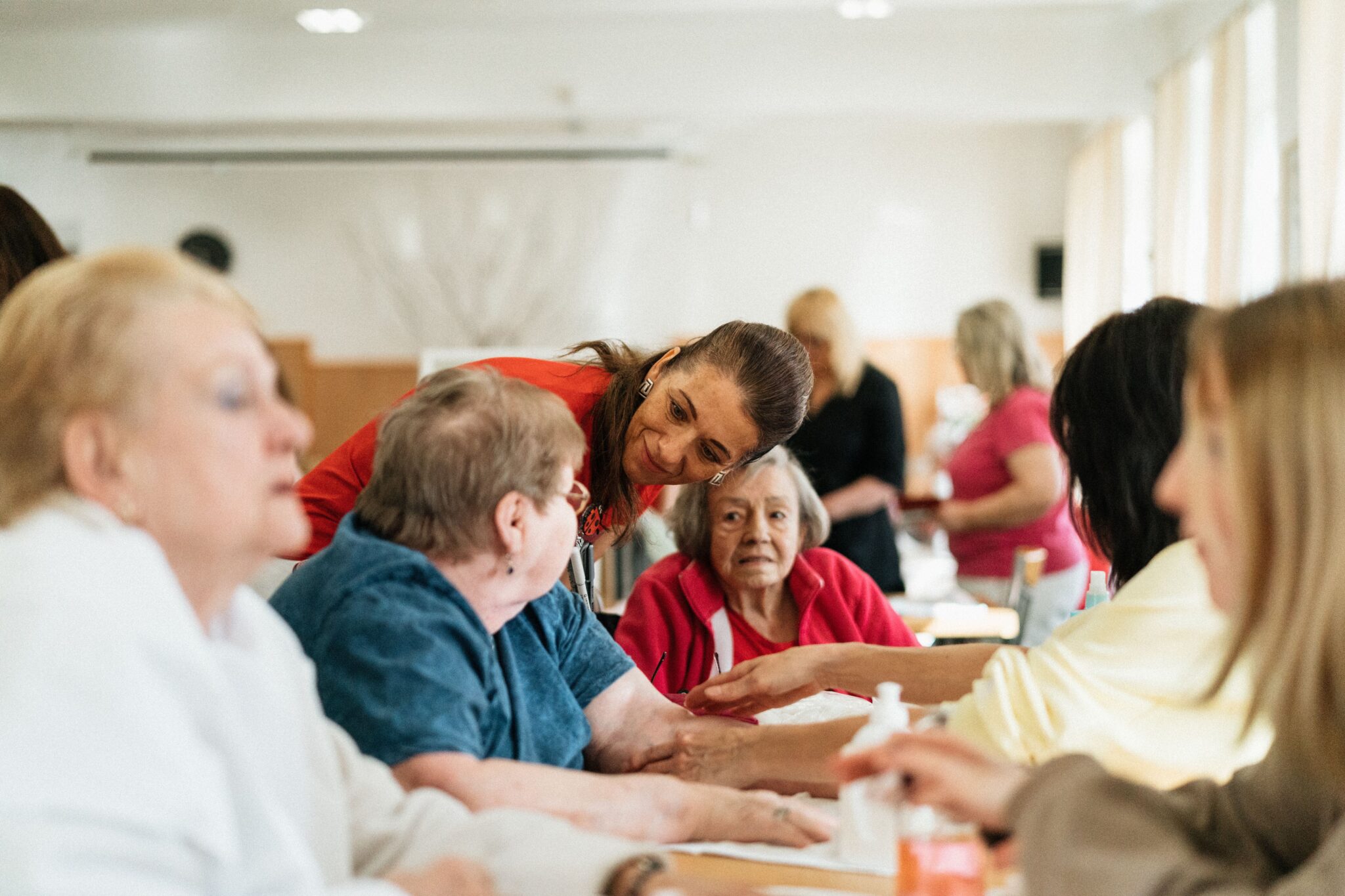
Councils will commission home care across smaller areas under new government plans to give people more familiar carers and cut worker travel time.
The Department of Health and Social Care recently announced that it will encourage councils to commission home care across smaller geographical areas, with one or two main providers serving each neighbourhood.
Currently, councils can commission individual visits from multiple providers across large areas.
This means people may see different carers across several days, while workers spend significant parts of their day travelling between appointments.
Familiar faces and shorter rounds
Under the new model, care workers will spend their working day in a much smaller area, with more predictable rounds closer to home.
People receiving care will have a better chance of seeing the same carers and building relationships with people who know their needs and families.
The department said that familiarity can also help care workers notice changes in someone’s health or wellbeing sooner. That could help people get the right support before problems escalate.
Research by the Health Innovation Network South West looked at care rounds across six providers in Bristol.
It found that reorganising existing visits into geographical zones could deliver the same care with 35 per cent less staff time and 65 per cent less driving.
New guidance and toolkits will be published in spring 2027 to help councils move to neighbourhood-based models. The government will work with councils over the coming months to track and support their progress.
Minister links plan to national care service
Minister of State for Social Care and Mental Health, Alison McGover, said that neighbourhood commissioning was “a step towards” a national care service.
“Commissioning social care by neighbourhoods will help people stay well, independent and at home for longer,” she said.
“Under our plans, social care will work in lockstep with our NHS; better care at home means fewer unnecessary trips to hospital.”
The plans form part of the government’s 10 Year Health Plan, which is shifting more care into the community.
It parallels work to build neighbourhood health, which will bring together GPs, councils, social care providers and voluntary, community and social enterprise organisations.
Councillor Dr Wendy Taylor MBE, Chair of the Local Government Association’s Health and Wellbeing Committee, said: “Trusted relationships between people who draw on care and support and those caring for them, alongside continuity of care, are central to good home care.
“Councils will take different approaches to ensure local people can access home care and support, in line with their statutory duties and to suit local circumstances and the needs of their communities.”
The announcement follows a commitment from the Secretary of State for Health and Social Care, Yvette Cooper, to provide £40 million for GPs to give extra support to around 300,000 vulnerable patients.
The aim is to reduce avoidable hospital admissions and prevent serious illness.
In September, Prime Minister Andy Burnham announced that the government will establish a fully funded national care service in the next Parliament.
It will provide free personal care for older people, based on need rather than ability to pay, and changes to the pension triple lock will fund it.
In the short term, the government will make an additional £4.6 billion available for councils in 2028/29 compared with 2025/26.
It will also establish the first fair pay agreement for care workers and develop an adult social care workforce plan.
Baroness Casey’s review of adult social care has been brought forward by a full year and will make recommendations for building a national care service.
The government has since established a safeguarding board, and it is developing fast-track care for people with motor neurone disease. It will also appoint a dementia tsar.
Care sector welcomes the move
Dr Jane Townson OBE, Chief Executive of the Homecare Association, said that the move reflected what the association “has long argued” – that commissioning is key to quality, fair work and better outcomes.
“To succeed, it must come with fees that cover the cost of care, predictable work and payment for whole rounds rather than contact minutes,” Dr Townson said.
“People must also keep a real choice over who supports them.”
Caroline Abrahams CBE, Emily Holzhausen CBE and Jackie O’Sullivan, co-chairs of the Care and Support Alliance, said that commissioning at neighbourhood level “makes a lot of sense”.
“Since strong relationships are central to good quality care, this really matters.”
Phil Holmes, President of the Association of Directors of Adult Social Services, said that his members support efforts to improve continuity of care.
“This is about moving away from a system defined by time and task, where too many people see a succession of strangers at the door, and towards one built on trust and personalised support.”
Featured image credit: Jsme MILA on Pexels