NHS needs new capital models to deliver neighbourhood health estates, PPP report finds
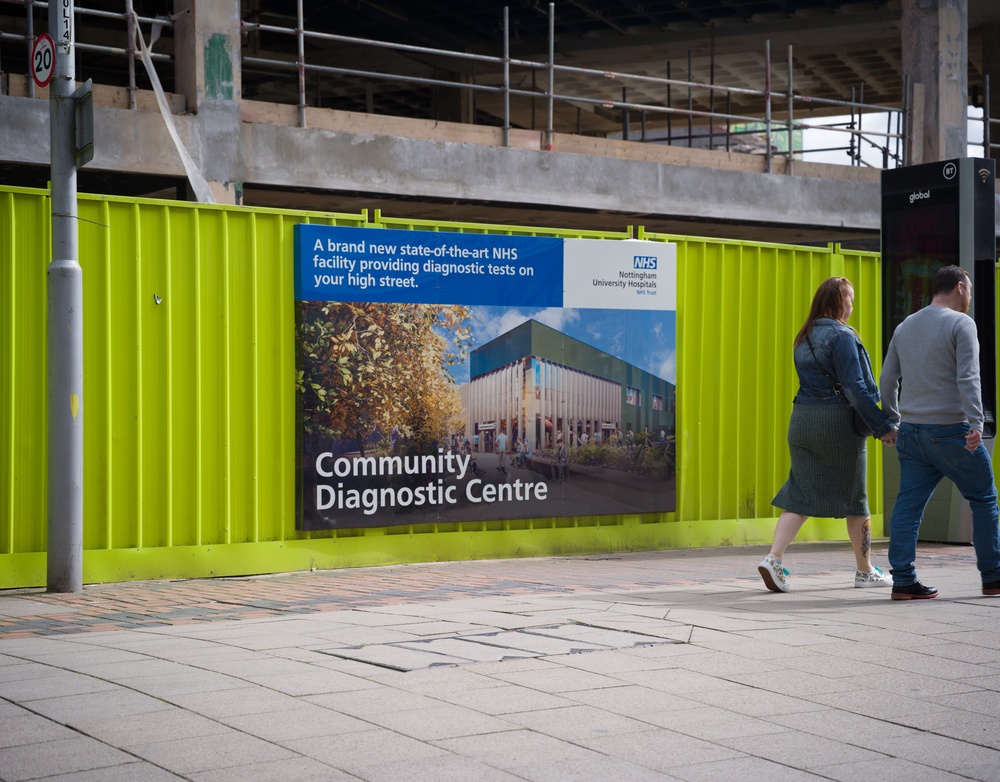
A Public Policy Projects report calls for clearer risk-sharing, stronger commercial capability and greater use of existing public assets as the NHS faces a maintenance backlog approaching £16 billion and the expiry of more than 650 PFI contracts.
The NHS will need new approaches to capital investment if it is to deliver neighbourhood health centres while managing the expiry of hundreds of Private Finance Initiative contracts, according to a new report.
Public Policy Projects’ The future of capital funding and neighbourhood health estates argues that future partnerships should distribute risk more fairly between public and private organisations, improve transparency and demonstrate better long-term value than legacy PFI arrangements.
The report comes as the NHS estate faces a maintenance backlog approaching £16 billion. More than 650 PFI contracts are also due to expire during the next five years, creating financial, legal and operational challenges for NHS organisations.
PPP says trusts and system leaders will need stronger commercial capability to manage those contract handbacks and develop new investment arrangements. However, the report does not identify a single funding model capable of meeting the NHS estate challenge.
Instead, it calls for organisations to consider a wider range of partnerships, including arrangements involving local authorities and charitable organisations.
Planning estates around place
The report argues that neighbourhood health infrastructure should reflect local population needs rather than follow a standard national model.
It recommends that integrated care systems make greater use of existing NHS and wider public assets, including commercial and community buildings that could be repurposed for health services.
This approach could reduce the need for new construction in some areas. Its viability will depend on the condition, location and ownership of available buildings, alongside the cost of adapting them for clinical use.
The report also says capital investment should be assessed against health, operational and social outcomes rather than financial return alone.
That would require NHS organisations and their partners to agree how wider benefits should be measured, including improved access, reduced pressure on hospitals and the contribution of new facilities to local regeneration.
You can read the report in full here.
Preparing for PFI expiry
The expiry of legacy PFI contracts presents a more immediate challenge.
NHS organisations will need sufficient legal, financial, technical and commercial expertise to assess the condition of assets, enforce contractual requirements and manage the transfer of buildings into public control.
The report calls for earlier preparation and stronger organisational capability. It argues that future partnership models should provide clearer accountability and avoid transferring risks in ways that increase long-term costs for the public sector.
PFI contracts funded a substantial part of the NHS estate but have faced sustained criticism over inflexible terms, financing costs and limited transparency.
Moving beyond those arrangements will not remove the need for private capital or external expertise. The unresolved question is how future agreements can attract investment without reproducing the costs and constraints associated with earlier models.
Sustainability from the outset
PPP also recommends that NHS organisations embed environmental sustainability and climate resilience into projects from the earliest design stages.
This includes considering energy use, maintenance requirements and the ability of buildings to withstand extreme weather and changing service needs.
Designing these requirements into projects may increase some initial costs. The report argues that failing to do so risks higher operating costs and further capital requirements during the life of an estate.
Ozan Goceroglu, Relationship Specialist at NHS Property Services and chair of the PPP roundtable, said neighbourhood health would depend on practical collaboration and better use of existing assets and partnerships.
He said: “By taking a more coordinated, practical and forward-looking approach, the NHS can shape an estate that supports a clinical model which meets the needs of the communities it serves.”
Funding must follow the shift in care
The report supports the government’s intention to move more care from hospitals into community settings.
However, delivering neighbourhood services will require more than new buildings. Systems will also need sustainable revenue funding, an available workforce and service models that transfer activity rather than duplicate provision across hospital and community settings.
Capital investment could create the physical infrastructure for neighbourhood care, but the report does not demonstrate how systems will fund the staff and services operating within it.
The recommendations therefore leave a central dependency unresolved: whether capital, revenue and workforce planning can be aligned across NHS organisations, local government and community partners.
Without that alignment, new neighbourhood facilities could expand the estate without producing the intended shift in care.
You can read the report in full here.