West Midlands imaging programme moves into procurement phase
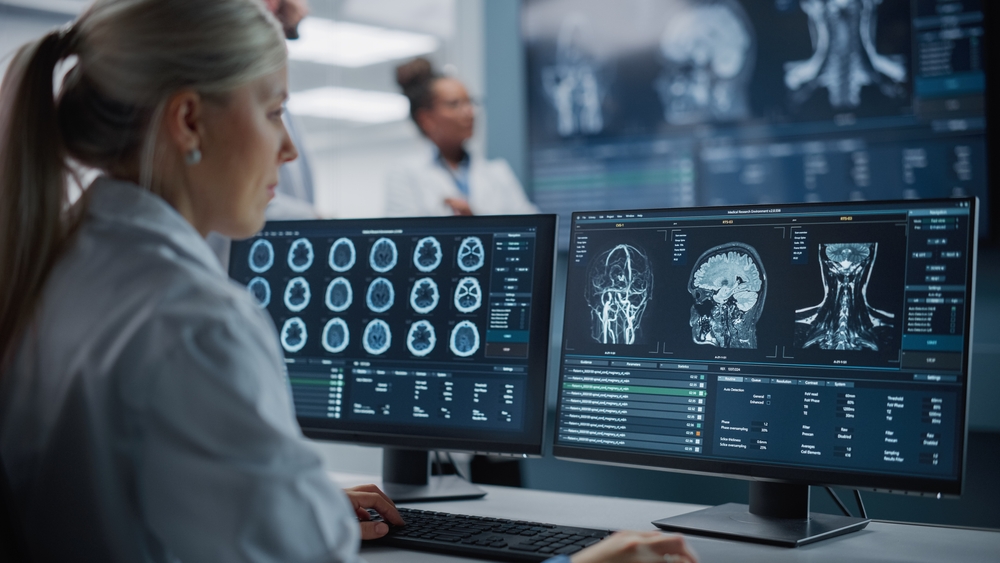
Fifteen NHS trusts in the West Midlands have begun the procurement process for a regional imaging platform that aims to create a single diagnostic imaging record for 6.6 million people and support greater collaboration between radiology services.
A major NHS imaging programme covering 15 trusts across the West Midlands has entered the procurement phase, marking a significant milestone in plans to establish a shared diagnostic imaging platform across the region.
The initiative, known as the Converged Digital Imaging Platform (CDIP), aims to create a single diagnostic imaging record for each NHS patient in the West Midlands. The programme is intended to enable clinicians to access and report on scans taken at any participating site, with supporters arguing it could help improve access to specialist expertise and support earlier diagnosis.
The decision to commence procurement and invite tenders was approved by the West Midlands Imaging Network’s executive board.
According to the network, the platform will support the sharing of imaging records across participating organisations and provide clinicians in emergency departments, stroke services, theatres and other frontline settings with access to a patient’s imaging history.
The programme is also intended to help trusts respond to growing demand for diagnostic imaging services and create a common platform capable of supporting technologies such as artificial intelligence.
Dr Simon Constable, Chair of the West Midlands Imaging Network and Chief Executive of University Hospitals of North Midlands NHS Trust, said: “NHS trusts in the West Midlands are embarking on the largest programme of its kind in the NHS – and with it, one of the largest opportunities to sustain and enhance a vital part of patient care.
“From the Black Country to Birmingham, from Shropshire to Stoke, and from Worcestershire to Warwickshire, this will empower trusts to harness diagnostic expertise on a scale like never before. By removing geographical barriers, we are creating the conditions to ensure that the best expertise is available for every patient, wherever they are.”
Dr James Heron, medical director for the West Midlands Imaging Network and a consultant diagnostic and interventional radiologist at Wye Valley NHS Trust, described the programme as a significant opportunity for NHS imaging services.
He said: “This is a landmark moment for one of the biggest opportunities in NHS diagnostic imaging in a generation. Diagnostic imaging is often less visible to the public, but it is central to safe and timely care. Much more than image sharing, this programme is our chance to change the picture on how we can make the most of diagnostic expertise for patients and healthcare professionals alike.”
The network said the regional approach is expected to reduce costs compared with trusts continuing to manage separate contracts with technology suppliers. Following the procurement process, participating organisations are expected to implement the platform in phases as existing contracts for radiology information systems and picture archiving and communication systems reach their end dates.
Nisha Sungum, Director of the West Midlands Imaging Network, said the programme had been designed around the needs of patients and healthcare professionals.
She said: “Whether it is providing reassurance to patients, or confirming a time-critical diagnosis that will help get people onto the right treatment pathway, the needs of patients and the professionals delivering care sit at the heart of this initiative.
“Whether it’s a stroke professional making an urgent decision, a surgeon planning for theatre, or a cancer specialist determining the right course of action, a complete imaging history has the potential to make a big difference when it matters most.”
The network said the platform could also support greater flexibility over where patients receive scans and improve access to specialist radiology expertise across organisational boundaries.
Dr Marius Grima, Clinical Digital Lead for the West Midlands Imaging Network and consultant paediatric radiologist at University Hospitals of North Midlands NHS Trust, said the programme would create the foundations for the safe adoption of advanced technologies, including artificial intelligence and machine learning.
He said: “Delivering a single, interoperable imaging platform across 15 NHS trusts is one of the most complex digital undertakings attempted in the NHS, requiring the alignment of multiple legacy systems, integration of radiology information systems and picture archiving solutions, and a focus on interoperability standards.
“By overcoming this complexity, we will improve data quality, enhance clinical safety through standardised workflows, and enable true cross-site reporting. Seamless access to longitudinal imaging records will support precision diagnostics, optimise capacity planning, and ensure equitable access to subspecialist expertise. Most importantly, it will help deliver faster, safer diagnoses for patients across the West Midlands, wherever they receive care.”
The Converged Digital Imaging Platform will serve NHS organisations across the West Midlands region, covering a population of approximately 6.6 million people. Procurement is now under way, with implementation expected to follow in stages once a supplier has been selected.