Early use of rapid sepsis diagnostics could prevent 5,200 UK deaths and save NHS £300m a year, analysis finds
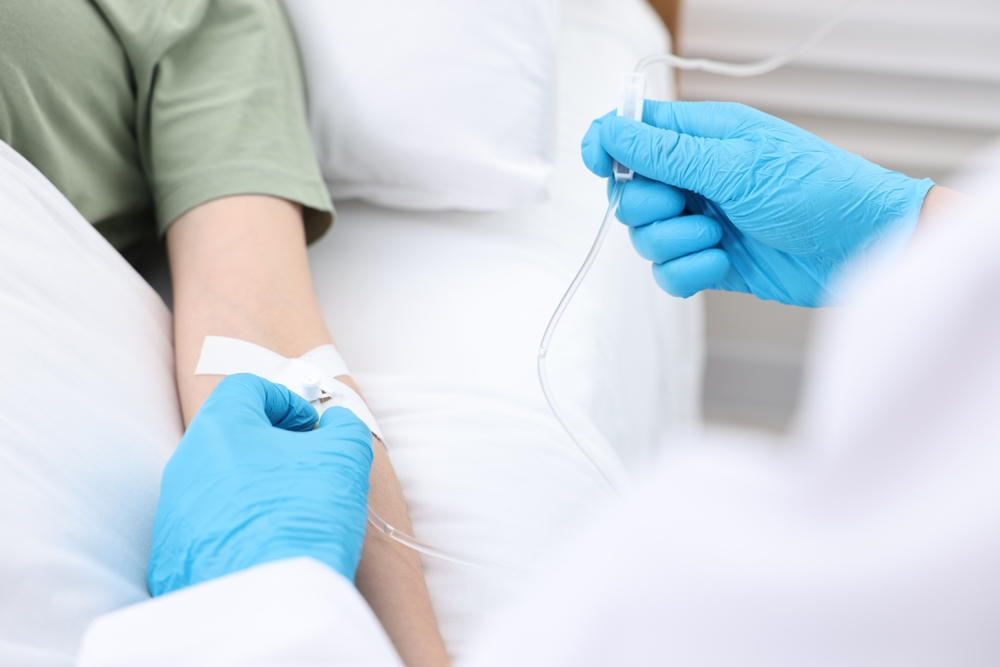
Independent modelling across G7 countries suggests earlier use of rapid identification and antimicrobial susceptibility testing for bloodstream infections could reduce progression to sepsis, improve outcomes and cut healthcare costs.
Early use of rapid diagnostic testing in patients with bloodstream infections at high risk of sepsis could prevent around 10,000 sepsis cases and 5,200 deaths in the UK each year, while saving the NHS an estimated £300 million annually, according to a new health economic analysis.
The study, conducted by the Office of Health Economics (OHE), examined the impact of introducing fast identification and antimicrobial susceptibility testing (ID/AST) earlier in the care pathway for patients with bloodstream infections. It assessed outcomes across all G7 countries: Canada, France, Germany, Italy, Japan, the United Kingdom and the United States.
The analysis found that systematic early use of fast diagnostics could reduce preventable deterioration into sepsis, improve patient outcomes and generate cost savings across all seven countries studied.
Sepsis, a life-threatening reaction to infection, is estimated to cause 21 million deaths globally each year. In the UK, an estimated 104,000 adults are hospitalised annually with bloodstream infections at high risk of progressing to sepsis. According to the NHS, sepsis claims more lives than lung cancer and is the second biggest killer after cardiovascular disease.
Dr Ron Daniels, Founder and Chief Medical Officer of the UK Sepsis Trust, said: “Every year in the UK, up to 48,000 people die from sepsis. Early intervention is the most impactful way of preventing avoidable deaths, yet we still rely on diagnostics which take days to confirm the causative organism or ‘bug’.
“Clinicians are left with little choice but to prescribe broad-spectrum antibiotics, risking treatment incompatibility and contributing to antimicrobial resistance. This new analysis is highly encouraging, as it shows that early use of fast diagnostics could help the NHS act earlier to prevent sepsis and save thousands of lives.”
Diagnostics, treatment, and AMR
The initial hours of sepsis management are widely regarded as critical, with targeted antibiotic treatment an important determinant of survival. However, conventional diagnostic methods can take two to three days to deliver results, meaning treatment decisions are often made before the causative organism is confirmed.
According to the analysis, nearly one in five patients with bloodstream infections receive an inappropriate initial treatment, increasing the risk of deterioration and raising costs for hospitals and health systems.
The report, The Value of Fast Diagnostics in Time-Critical Infections: A Use Case in Bloodstream Infections and Sepsis, also links inappropriate antibiotic use to rising antimicrobial resistance (AMR). Drug-resistant infections in the UK have risen by more than 13 per cent since 2019. AMR is a central priority in the UK’s five-year National Action Plan on Antimicrobial Resistance (2024–2029), which calls for improved antimicrobial stewardship and better diagnostics.
The OHE model was built using real-world hospital data from France and incorporated epidemiology, care pathways, progression to sepsis, mortality, costs and long-term outcomes over a 13-month timeframe. It was then adapted for each G7 country using local data on disease incidence, diagnostic testing patterns and healthcare costs, alongside clinical expert review.
Across all seven countries, the model found that earlier access to diagnostic information could reduce reported sepsis cases by an average of more than 20 per cent each year, while also lowering deaths and long-term post-sepsis complications.
Capturing the broader value of diagnostics
In the UK, savings were estimated at £3,000 per patient, driven mainly by fewer intensive care admissions, shorter hospital stays and lower costs associated with severe complications. Across all G7 countries, between 53 per cent and 83 per cent of all savings were estimated to occur during the initial hospital admission.
Paul Skingley, Vice President of Clinical Operations, UK and Ireland at bioMérieux, said: “This model demonstrates that early diagnostics reduce the likelihood that high-risk patients progress to sepsis and subsequently lower the risk of lasting health complications after discharge.
“In the UK, the AMR National Action Plan has identified fast and accurate diagnosis as central to improving outcomes, but diagnostic reimbursement structures have not kept pace with this ambition.”
The report argues that current funding and reimbursement models often fail to capture the wider health system value of diagnostics, particularly where laboratories bear upfront costs while savings are realised elsewhere in the system.
It concludes that the findings support further real-world studies and could inform future reforms to reimbursement structures, diagnostic capacity and the use of rapid testing earlier in clinical pathways.
The full report, The Value of Fast Diagnostics in Time-Critical Infections: A Use Case in Bloodstream Infections and Sepsis, is available from the Office of Health Economics.