Asthma and COPD patients to receive care closer to home under £10m partnership
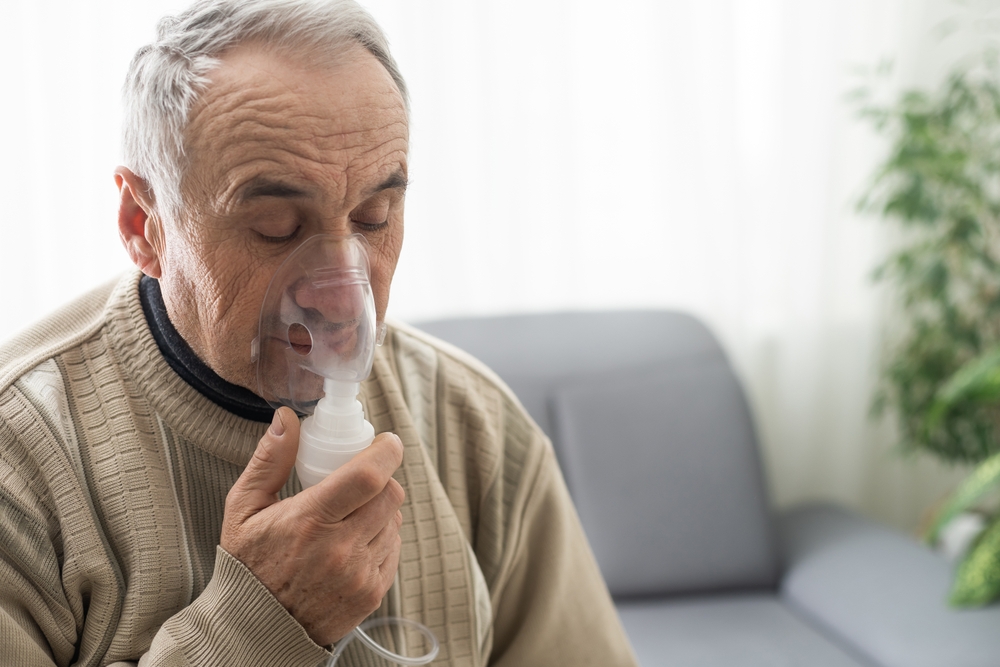
A new £10 million partnership between government, NHS England and industry aims to shift respiratory care into community settings, with a focus on earlier diagnosis, improved management and expanded access to treatment for people with asthma and COPD.
Care for people with asthma and chronic obstructive pulmonary disease (COPD) is set to be delivered increasingly in community settings under a new £10 million partnership involving government, NHS England and the life sciences sector.
The Respiratory Transformation Partnership (RTP) forms part of the government’s 10-Year Health Plan and is intended to support a shift in care from hospitals to local services. The programme is co-funded by NHS England, the Office for Life Sciences and four pharmaceutical companies – AstraZeneca, Chiesi, GSK and Sanofi – alongside 15 regional Health Innovation Networks (HINs).
Respiratory disease is the third leading cause of death in the UK, accounting for more than 700,000 hospital admissions and around six million inpatient bed days each year, the majority of which are unplanned. Around one in five people are affected by a respiratory condition during their lifetime.
The partnership aims to improve how patients are identified, diagnosed and managed, particularly in communities with higher levels of need. It will support local teams to use data and digital tools to identify patients who may benefit from targeted interventions, including access to biologic medicines, and to strengthen care delivered through primary and community services.
The programme also aims to reduce emergency admissions and alleviate pressure on acute services, particularly during periods of seasonal demand, by improving disease management outside hospital settings.
The initiative also has a wider economic dimension; respiratory disease contributes significantly to workplace absence, and the government has indicated that earlier diagnosis and more effective treatment could support efforts to reduce health-related economic inactivity.
Dr Zubir Ahmed, Minister for Health Innovation and Safety, said the programme reflects a broader policy direction focused on earlier intervention and care closer to home: “Too many people with asthma and lung disease end up rushed to hospital when, with the right care and support, that admission could have been avoided entirely.”
Dr Ahmed added that the partnership illustrates the government’s approach to reform, including the use of data to identify unmet need and collaboration with industry to expand access to treatments.
The programme is chaired by Jonathan Fuld, National Clinical Director for Respiratory Disease at NHS England, and is being coordinated by Health Innovation Oxford and Thames Valley on behalf of the Health Innovation Network.
Dr Fuld said there is significant unmet need, with many patients either undiagnosed or not optimally managed. “Around one in five people in England will be affected by respiratory illness in their lifetime and far too many are living with symptoms that are undiagnosed or poorly managed,” he said.
He added that the partnership could provide a model for collaboration across the NHS, charities, professional bodies and industry to improve diagnosis, ongoing care and access to treatment.
Respiratory Society, the British Thoracic Society, the National Respiratory Audit Programme, the Association of Respiratory Nurses and NICE.
Professor Ben Bridgewater, Executive Chair of the Health Innovation Network, said the programme is intended to demonstrate how partnership working can support both improved patient outcomes and system efficiency: “This programme will create a practical blueprint of how innovation and collaboration can deliver better outcomes for patients while reducing pressure on hospitals,” he said.
Sarah Sleet, Chief Executive of Asthma + Lung UK, highlighted the broader public health context, noting that the UK has relatively high mortality rates for lung conditions compared with other western European countries, with disproportionate impacts in more deprived communities.
“Focusing on lung health will lead to improvements to the nation’s health and the Respiratory Transformation Partnership shows the role of collaboration between the government, NHS, life sciences firms and patient organisations,” she said.
Sleet added that the partnership could contribute to efforts to reduce inequalities in respiratory health and support a more coordinated national approach.
The Respiratory Transformation Partnership is expected to be implemented through local systems, with participating organisations working to adapt delivery to the needs of their populations while contributing to a broader national framework for respiratory care improvement.